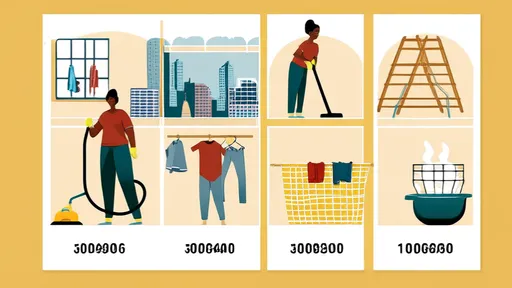
Household chores often feel like a never-ending cycle of mundane tasks, but what if we told you that scrubbing floors or vacuuming carpets could be your secret weapon for staying fit? While most people associate calorie burning with gym sessions or morning runs, the truth is that everyday activities like mopping, laundry, and even window cleaning contribute significantly to your daily energy expenditure. The concept of "exercise snacking" – accumulating physical activity through small bursts of movement throughout the day – makes household labor an unexpectedly effective fitness strategy.
The science behind chore-based calorie expenditure reveals fascinating insights into how our bodies convert domestic drudgery into metabolic benefits. A 155-pound person can torch approximately 200 calories per hour through vigorous cleaning activities like scrubbing bathrooms or moving furniture. Even less intensive tasks such as folding laundry or washing dishes add up over time, with studies showing that consistent daily chores can contribute to weight management as effectively as structured workout programs for sedentary individuals.
What makes household activities particularly valuable is their compound fitness effect. Unlike isolated gym exercises that target specific muscle groups, chores engage multiple systems simultaneously. Gardening, for instance, combines squatting, lifting, and stretching – essentially creating a full-body workout while beautifying your outdoor space. The varied movements required for different tasks prevent the adaptation plateau that often occurs with repetitive exercise routines, keeping your metabolism consistently challenged.
Seasonal chores offer particularly intense calorie-burning opportunities. Raking autumn leaves can burn up to 350 calories per hour for an average adult, while shoveling snow during winter months ranks among the most strenuous household activities at 400+ calories hourly. These seasonal tasks not only provide physical benefits but also create natural rhythm to our fitness year, aligning our exertion levels with environmental demands in ways that artificial workout regimens rarely achieve.
The psychological benefits of chore-as-exercise shouldn't be overlooked either. Unlike gym workouts that require dedicated time blocks and often feel like obligations, household tasks provide built-in satisfaction triggers. The visible results of a cleaned room or organized closet deliver immediate gratification that treadmill sessions can't match. This dual benefit of physical exertion and environmental improvement creates powerful reinforcement loops that make the activity more sustainable long-term than traditional exercise programs.
Modern technology has ironically made chore-based fitness more measurable than ever. Smartwatches and fitness trackers now recognize activities like mopping, gardening, and even bed-making as legitimate exercise, allowing users to quantify what previous generations did instinctively. This data reveals surprising truths – a single day of deep cleaning can burn as many calories as a half-marathon, while weekly household maintenance often exceeds the activity levels recommended by health organizations.
Of course, not all chores are created equal in the calorie-burning hierarchy. While passive activities like ironing or dusting provide minimal benefit, dynamic tasks that involve bending, reaching, and carrying offer significant metabolic boosts. Strategic modifications can increase intensity – carrying laundry baskets upstairs instead of using the elevator, or squatting rather than bending to pick up items transforms mundane tasks into legitimate strength training opportunities.
The social dimension of chore fitness presents another compelling advantage. Unlike solitary gym sessions, many household activities naturally involve family participation, creating opportunities for bonding through shared physical effort. From dance-cleaning sessions with children to cooperative furniture moving with partners, these collaborative efforts build relationships while improving fitness – a combination rarely found in conventional exercise paradigms.
As research continues to validate the health benefits of non-exercise activity thermogenesis (NEAT), household chores are being reevaluated through a fitness lens. What was once considered obligatory maintenance is now recognized as a valuable component of holistic health. The next time you dread your cleaning checklist, remember – you're not just maintaining your home, you're investing in your body's wellbeing through the original functional fitness program: daily living itself.

By /Jul 28, 2025
By /Jul 28, 2025

By /Jul 28, 2025

By /Jul 28, 2025

By /Jul 28, 2025

By /Jul 28, 2025

By /Jul 28, 2025
By /Jul 21, 2025

By /Jul 28, 2025

By /Jul 28, 2025

By /Jul 28, 2025

By /Jul 28, 2025

By /Jul 28, 2025

By /Jul 28, 2025

By /Jul 28, 2025

By /Jul 28, 2025

By /Jul 28, 2025
By /Jul 28, 2025
By /Jul 28, 2025

By /Jul 28, 2025
