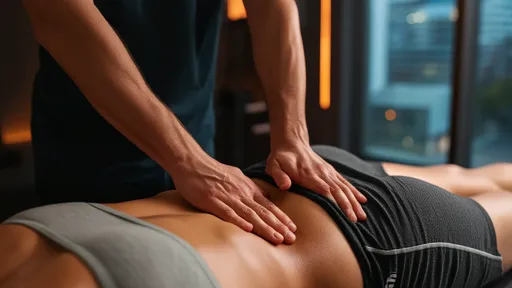
After an intense workout session, your muscles often feel sore and fatigued. This is where post-exercise recovery massage comes into play. Unlike regular relaxation massages, recovery massage focuses on alleviating muscle tension, improving circulation, and accelerating the healing process. Athletes and fitness enthusiasts alike swear by its effectiveness in reducing downtime between training sessions.
The Science Behind Recovery Massage
When you engage in physical activity, your muscles undergo microscopic tears and accumulate metabolic waste like lactic acid. A well-executed recovery massage helps flush out these toxins by stimulating blood flow and lymphatic drainage. The mechanical pressure applied during the massage breaks down adhesions in the muscle fibers, allowing for better mobility and reduced stiffness. Studies have shown that consistent post-workout massage can significantly decrease delayed onset muscle soreness (DOMS), enabling you to return to your training regimen faster.
Key Techniques for Effective Recovery
Different massage techniques serve different purposes in recovery. Effleurage, or long gliding strokes, is often used at the beginning to warm up the muscles and prepare them for deeper work. Petrissage involves kneading and lifting the muscle tissue to enhance circulation. For those dealing with stubborn knots, trigger point therapy applies concentrated pressure to release tension in specific areas. Myofascial release is another powerful method that targets the connective tissue surrounding muscles, promoting greater flexibility and range of motion.
Timing Matters
While massage can be beneficial at any time, the optimal window for recovery massage is within 24 to 48 hours after exercise. During this period, your muscles are most responsive to manipulation, and the risk of inflammation is higher. A gentle massage immediately after a workout can help cool down the body, while a deeper session a day later addresses lingering tightness. Avoid aggressive techniques right after intense activity, as this may exacerbate micro-tears in the muscle fibers.
Self-Massage Tools for Convenience
Not everyone has access to a professional massage therapist after every workout. Fortunately, tools like foam rollers, massage guns, and percussion devices can mimic professional techniques. Foam rolling, in particular, is excellent for myofascial release and can be done at home with minimal effort. Massage guns provide targeted vibration therapy to penetrate deep into muscle layers, offering relief from soreness and improving recovery time.
Hydration and Nutrition’s Role in Recovery
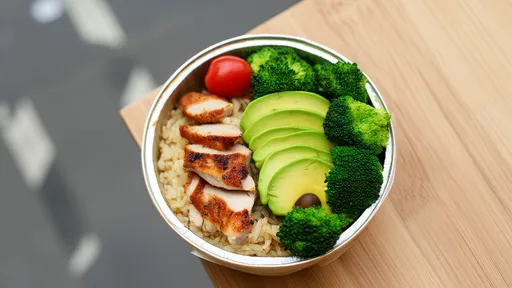
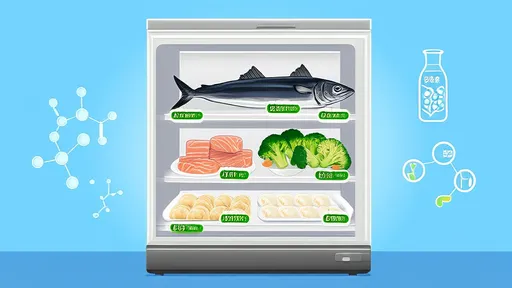
Massage alone isn’t enough to ensure full recovery. Hydration plays a crucial role in muscle repair, as water helps transport nutrients and remove waste products. Pairing massage with proper nutrition—such as protein-rich foods and electrolytes—enhances the body’s ability to rebuild and replenish. Some athletes even incorporate contrast therapy, alternating between hot and cold treatments, to further boost circulation and reduce inflammation.
Listening to Your Body
No two bodies are the same, and neither are their recovery needs. Pay attention to how your muscles respond to different techniques. Some may benefit from frequent light massages, while others require occasional deep-tissue work. Over-massaging can lead to bruising or increased soreness, so it’s essential to strike a balance. Consulting a sports therapist can help tailor a recovery plan that aligns with your fitness goals and physical condition.
Incorporating recovery massage into your routine isn’t just a luxury—it’s a necessity for anyone serious about performance and longevity in their fitness journey. Whether you opt for professional sessions or DIY methods, the key is consistency and mindfulness in application.

By /Jul 28, 2025
By /Jul 28, 2025

By /Jul 28, 2025
By /Jul 28, 2025
By /Jul 28, 2025
By /Jul 28, 2025

By /Jul 28, 2025
By /Jul 21, 2025

By /Jul 28, 2025
By /Jul 28, 2025
By /Jul 28, 2025

By /Jul 28, 2025

By /Jul 28, 2025
By /Jul 28, 2025
By /Jul 28, 2025
By /Jul 28, 2025
By /Jul 28, 2025
By /Jul 28, 2025
By /Jul 28, 2025
By /Jul 28, 2025
