The concept of a golden ratio in meal planning has long been discussed among nutritionists, but its application to takeout health meals is a relatively new frontier. As urban lifestyles grow busier, more people rely on food delivery services for their daily sustenance. However, the convenience often comes at the cost of nutritional balance. The idea of a perfectly proportioned takeout meal isn’t just about counting calories—it’s about harmonizing macronutrients, micronutrients, and even culinary satisfaction.
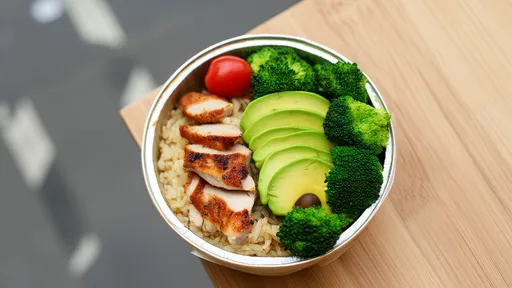
For decades, dietitians have emphasized the importance of balancing proteins, carbohydrates, and fats. Yet, when it comes to takeout options, the choices are often skewed toward excessive carbs or greasy fats. A golden ratio approach suggests that roughly 40% of the meal should consist of lean proteins, such as grilled chicken, tofu, or fish. These proteins not only keep you full longer but also support muscle repair and metabolic functions. The remaining portions should be divided between complex carbohydrates (30%) and healthy fats (30%), creating a symphony of nutrients that fuel the body efficiently.
The challenge with takeout meals is that they frequently overlook fiber-rich vegetables. A truly balanced meal should incorporate at least two servings of vegetables, whether in the form of a vibrant salad, steamed greens, or roasted medleys. Vegetables add essential vitamins, minerals, and fiber, which aid digestion and promote gut health. Unfortunately, many so-called "healthy" takeout options skimp on veggies or drown them in heavy dressings, defeating the purpose of a nutritious meal.
Another overlooked aspect is portion control. Even if a meal follows the golden ratio, oversized servings can lead to unnecessary calorie intake. Many delivery platforms now offer half-portion options or customizable meal sizes, allowing customers to align their orders with actual dietary needs. Mindful eating isn’t just about what’s on the plate—it’s also about how much of it we consume.
Beyond macronutrients, the quality of ingredients plays a pivotal role. A meal might fit the golden ratio on paper, but if the chicken is fried in low-quality oil or the rice is overly processed, the health benefits diminish. Opting for restaurants that prioritize fresh, whole ingredients and transparent cooking methods ensures that the meal’s nutritional value isn’t compromised.
The rise of specialized health-focused delivery services has made it easier to access meals that adhere to these principles. From keto-friendly boxes to plant-powered bowls, these services cater to diverse dietary preferences while maintaining nutritional integrity. However, even with these options, consumers should remain vigilant—reading descriptions, checking ingredient lists, and occasionally consulting nutrition labels can prevent falling into the trap of marketing gimmicks disguised as health food.
Ultimately, the golden ratio isn’t a rigid formula but a flexible guideline. Individual needs vary based on activity levels, health goals, and metabolic differences. A construction worker might require a higher protein intake, while an office worker might benefit from lighter, veggie-dense meals. The key lies in understanding one’s body and making informed choices, even when relying on the convenience of takeout.
As the demand for healthier takeout grows, restaurants and delivery platforms are beginning to respond. Menus are evolving, and nutritional transparency is improving. Yet, the responsibility also falls on consumers to prioritize balance over convenience. By applying the golden ratio to takeout meals, it’s possible to enjoy the best of both worlds—quick, delicious food that nourishes the body without compromise.

By /Jul 28, 2025

By /Jul 28, 2025

By /Jul 28, 2025

By /Jul 28, 2025

By /Jul 28, 2025

By /Jul 28, 2025

By /Jul 28, 2025

By /Jul 21, 2025

By /Jul 28, 2025
By /Jul 28, 2025

By /Jul 28, 2025

By /Jul 28, 2025

By /Jul 28, 2025

By /Jul 28, 2025

By /Jul 28, 2025

By /Jul 28, 2025

By /Jul 28, 2025

By /Jul 28, 2025

By /Jul 28, 2025

By /Jul 28, 2025
