Low-Sodium Flavor Enhancement Strategies for the Kitchen"

Jul 28, 2025 By

In the quest for healthier eating habits, reducing sodium intake has become a priority for many households. However, the challenge lies in maintaining the rich, satisfying flavors that make food enjoyable. The good news is that with the right techniques and ingredient swaps, it's entirely possible to create delicious meals that are lower in salt without sacrificing taste.

The Science Behind Salt and Flavor

Salt has long been the cornerstone of culinary traditions worldwide, and for good reason. It doesn't just make food taste salty – it enhances other flavors, balances bitterness, and can even make sweet dishes taste sweeter. This multifaceted role makes salt seem irreplaceable, but understanding how it works allows us to find clever alternatives.

When we reduce sodium, we're not just removing a flavor – we're changing how all the other flavors interact. The key is to compensate by building depth through other means. This might mean incorporating more umami-rich ingredients, using cooking techniques that develop natural flavors, or introducing new textures that make dishes more satisfying.

Building Flavor Without the Shaker

One of the most effective ways to reduce reliance on salt is to maximize the natural flavors in ingredients. Slow-roasting vegetables, for instance, caramelizes their natural sugars and creates complex flavors that need little enhancement. Similarly, properly browning meats creates hundreds of new flavor compounds through the Maillard reaction.

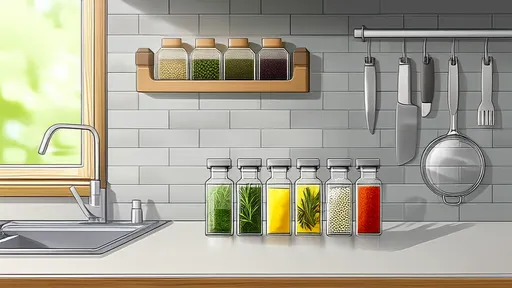
Fresh herbs are another powerful tool. Unlike dried herbs which often need salt to "wake them up," fresh basil, cilantro, dill and others bring vibrant flavors that stand on their own. Citrus zest and juices provide brightness that can make up for reduced salt, while vinegars and wines add acidity that perks up the palate.

The Umami Solution

Umami, known as the fifth taste, provides the savory depth that often makes salty foods so satisfying. Ingredients naturally rich in umami can help compensate for reduced sodium. Mushrooms, especially dried varieties like shiitake, contain glutamates that enhance savoriness. Tomato paste, when cooked until it deepens in color, becomes an umami powerhouse.

Fermented products like miso paste, fish sauce (used sparingly), and nutritional yeast can add this savory quality without excessive sodium. Even something as simple as sautéing onions until they're deeply caramelized develops natural umami compounds that make dishes more satisfying.

Texture and Temperature Tricks

Our perception of flavor isn't just about taste – it's multisensory. Crispy, crunchy textures can make food seem more flavorful by providing contrast. Adding toasted nuts or seeds, crispy fried shallots, or crunchy vegetables can make a dish more exciting without extra salt.

Temperature also plays a role. Chilled foods often require more seasoning to taste flavorful, while warm foods release more aromas. Serving some components warm and others cool in the same dish creates contrast that keeps the palate interested. A cool yogurt sauce with warm spiced vegetables, for example, can taste perfectly seasoned even with less salt.

Strategic Use of Salt

When you do use salt, make it count. Flaky sea salt sprinkled on at the end provides bursts of salinity that seem more pronounced than salt dissolved during cooking. Using smaller-grained salt ensures even distribution so you need less overall. Salting in layers – a little during cooking and a touch at the end – can be more effective than adding it all at one stage.

Consider the saltiness of other ingredients too. Many pantry staples like canned beans, stocks, and condiments contain sodium. Using these means you can reduce or eliminate added salt. Rinsing canned beans and choosing low-sodium versions of products gives you more control over the total sodium content.

Global Inspiration for Low-Salt Cooking

Cuisines from around the world offer excellent examples of flavorful low-sodium cooking. Indian cuisine uses complex spice blends that create depth without relying on salt. Thai cooking balances sweet, sour, spicy and herbal notes that make salt less crucial. Mediterranean dishes showcase how olive oil, garlic, and lemon can create vibrant flavors.

Exploring these traditions can provide new ideas for reducing salt while keeping meals exciting. Many traditional cooking methods were developed before salt was widely available, showing how cultures created satisfying flavors through other means.

The Palate Adjustment Period

It's important to recognize that taste buds adapt over time. As you gradually reduce salt, your sensitivity to it increases, meaning you'll start to appreciate more subtle flavors. This process typically takes a few weeks. During this transition, focusing on all the new flavors you're introducing – rather than what you're removing – can help make the change more positive.

Drinking plenty of water also helps reset the palate between bites, allowing you to taste food more clearly. Eating more mindfully – slowing down and paying attention to flavors – can make meals more satisfying even with less salt.

Practical Tips for Everyday Cooking

Start by reducing added salt in recipes by about 25% – this small change is often unnoticeable. Keep a pepper grinder and good-quality spices handy to add interest. Make your own spice blends without salt to have flavorful options ready. When possible, cook from scratch rather than using processed ingredients where salt content is out of your control.

Experiment with salt alternatives like potassium chloride blends if you're comfortable with them, though these work better in some applications than others. Most importantly, taste as you go and adjust other flavors before automatically reaching for the salt shaker.

With creativity and these techniques, reducing sodium doesn't have to mean bland food. In fact, many find that as they use less salt, they discover a wider range of flavors and more nuanced cooking. The result is food that's not just healthier, but often more interesting and delicious than before.

Recommend Posts
Health

Calorie Conversion for Switching from Elevator to Stairs

By /Jul 28, 2025

In the hustle and bustle of modern life, many of us find ourselves relying on elevators and escalators to navigate multi-story buildings. While these conveniences save time, they also eliminate opportunities for physical activity that could benefit our health. One simple way to incorporate more movement into your daily routine is by opting for stairs instead of elevators. But just how many calories can you burn by making this switch? Understanding the calorie conversion between taking the elevator and climbing stairs can be a powerful motivator for those looking to improve their fitness or maintain a healthy weight.
Health

Knee-Friendly Exercise List

By /Jul 28, 2025

For fitness enthusiasts who experience knee discomfort or want to prevent joint strain, finding suitable exercises can be challenging. Many high-impact activities like running or jumping may exacerbate knee pain, but that doesn’t mean you have to give up on staying active. A well-curated selection of knee-friendly exercises can help maintain strength, flexibility, and cardiovascular health without unnecessary stress on the joints.
Health

Low-Sodium Flavor Enhancement Strategies for the Kitchen"

By /Jul 28, 2025

In the quest for healthier eating habits, reducing sodium intake has become a priority for many households. However, the challenge lies in maintaining the rich, satisfying flavors that make food enjoyable. The good news is that with the right techniques and ingredient swaps, it's entirely possible to create delicious meals that are lower in salt without sacrificing taste.
Health

Indoor Aerobics Plan for Rainy Days

By /Jul 28, 2025

The pitter-patter of rain against the windowpane often brings with it a sense of coziness, but for fitness enthusiasts, it can also signal a disruption to outdoor workout routines. When the skies open up and the streets become slick with moisture, the motivation to exercise can dwindle as quickly as the daylight on a stormy afternoon. However, rainy days don’t have to mean skipped workouts or lost momentum. With a well-structured indoor aerobic plan, you can turn your living space into a personal gym, maintaining your fitness goals without ever needing to step outside.
Health

Scientific Formula for Treadmill Incline Settings

By /Jul 28, 2025

The science behind treadmill incline settings has evolved significantly in recent years, moving beyond generic recommendations to personalized calculations based on biomechanics and training goals. While most casual runners simply press the up/down arrows randomly, understanding the mathematical relationships between gradient, speed, and energy expenditure can transform your workout from mundane to precision-engineered.
Health

Protective Index of Different Shoe Types for Sports

By /Jul 28, 2025

When it comes to athletic performance and injury prevention, the type of footwear you choose plays a critical role. Not all shoes are created equal, and understanding the protective qualities of different shoe types can help athletes and fitness enthusiasts make informed decisions. Whether you're a runner, a basketball player, or someone who enjoys casual workouts, the right shoe can mean the difference between peak performance and a sidelining injury.
Health

Strategies for Buffering Alcohol Damage During Group Meals

By /Jul 28, 2025

Alcohol consumption during social gatherings is deeply ingrained in many cultures worldwide. While moderate drinking can enhance social bonding, excessive intake often leads to regrettable consequences ranging from mild embarrassment to serious health risks. Understanding how to mitigate alcohol-related harm without sacrificing the convivial atmosphere of group dining requires both personal awareness and collective responsibility.
Health

Adjusting Sleep Positions for Gastroesophageal Reflux: Illustrated Guide"

By /Jul 21, 2025

For millions of people worldwide, gastroesophageal reflux disease (GERD) turns nighttime into a battle against heartburn and discomfort. While medications and dietary changes play crucial roles in management, one often overlooked aspect is sleep positioning. Emerging research confirms what many patients have discovered through trial and error - gravity can be either your greatest ally or worst enemy when it comes to nocturnal acid reflux.
Health

5-Minute Break Neck Rescue Exercise

By /Jul 28, 2025

In today’s fast-paced work environment, where hours are spent hunched over desks and screens, neck pain and stiffness have become common complaints. The modern workforce is increasingly sedentary, and the toll it takes on the body—particularly the cervical spine—is undeniable. For many, the idea of squeezing in exercise during a busy workday seems impossible. However, a simple yet effective solution has emerged: the 5-minute office neck rescue routine. This quick, no-equipment-required set of exercises is designed to alleviate tension, improve mobility, and prevent long-term damage—all without leaving the desk.
Health

The Golden Ratio for Healthy Meal Combinations in Takeout"

By /Jul 28, 2025

The concept of a golden ratio in meal planning has long been discussed among nutritionists, but its application to takeout health meals is a relatively new frontier. As urban lifestyles grow busier, more people rely on food delivery services for their daily sustenance. However, the convenience often comes at the cost of nutritional balance. The idea of a perfectly proportioned takeout meal isn’t just about counting calories—it’s about harmonizing macronutrients, micronutrients, and even culinary satisfaction.
Health

Ranking of Nutrient Retention in Frozen Foods

By /Jul 28, 2025

In the fast-paced modern world, frozen foods have become a staple in many households, offering convenience without compromising too much on nutrition. However, not all frozen foods are created equal when it comes to preserving essential nutrients. A closer look at the nutritional retention in various frozen products reveals surprising differences, making it crucial for consumers to understand which options provide the best health benefits.
Health

A Guide to Identifying Additives in Children's Snacks

By /Jul 28, 2025

As parents navigate the colorful aisles of supermarket snacks, few realize they're essentially decoding a chemical alphabet soup. The modern children's snack industry relies heavily on additives - some harmless, others questionable - that quietly make their way into lunchboxes and after-school treats. Understanding these ingredients has become a crucial skill for health-conscious caregivers.
Health

Tips for Avoiding High-Sodium Foods When Grocery Shopping

By /Jul 28, 2025

Walking down the supermarket aisles can feel like navigating a nutritional minefield, especially when it comes to sodium. While our bodies need some sodium to function properly, the modern diet often delivers far more than necessary, lurking in places we least expect. The key to smarter shopping lies in understanding where salt hides and how to spot it—without sacrificing flavor or convenience.
Health

Five Principles for Nutrient Protection in Microwave Heating

By /Jul 28, 2025

Microwave cooking has become an indispensable part of modern kitchens, offering convenience and speed. However, concerns about nutrient loss during the process often arise. Understanding how to preserve nutritional value while using this appliance is crucial for health-conscious individuals. The principles of nutrient protection in microwave heating revolve around time, moisture, container choice, food arrangement, and post-heating handling.
Health

Post-Exercise Quick Recovery Massage Techniques

By /Jul 28, 2025

After an intense workout session, your muscles often feel sore and fatigued. This is where post-exercise recovery massage comes into play. Unlike regular relaxation massages, recovery massage focuses on alleviating muscle tension, improving circulation, and accelerating the healing process. Athletes and fitness enthusiasts alike swear by its effectiveness in reducing downtime between training sessions.
Health

Designing a Safe Swallowing Diet for the Elderly

By /Jul 28, 2025

As our global population ages, ensuring proper nutrition for seniors has become an increasingly important public health concern. Among the various challenges faced by older adults, swallowing difficulties – medically known as dysphagia – stand out as a particularly pressing issue that demands careful attention in meal planning. The design of safe swallowing diets for elderly individuals requires both scientific understanding and culinary creativity to transform ordinary meals into nourishing yet texture-modified dishes.
Health

Vegetarian Protein Complementarity Plan

By /Jul 28, 2025

For individuals following a vegetarian or vegan lifestyle, ensuring adequate protein intake remains a common concern. While animal products provide complete proteins containing all essential amino acids, plant-based sources often lack one or more of these building blocks. This is where the concept of protein complementation becomes crucial – the strategic combination of different plant proteins to create a complete amino acid profile.
Health

Calorie Consumption Chart for Household Chores

By /Jul 28, 2025

Household chores often feel like a never-ending cycle of mundane tasks, but what if we told you that scrubbing floors or vacuuming carpets could be your secret weapon for staying fit? While most people associate calorie burning with gym sessions or morning runs, the truth is that everyday activities like mopping, laundry, and even window cleaning contribute significantly to your daily energy expenditure. The concept of "exercise snacking" – accumulating physical activity through small bursts of movement throughout the day – makes household labor an unexpectedly effective fitness strategy.
Health

Transforming a Suitcase into Fitness Equipment Guide"

By /Jul 28, 2025

In today's fast-paced world, maintaining a fitness routine while traveling can be a daunting challenge. Between packed itineraries and limited access to gym facilities, many travelers find themselves sacrificing their workout goals. However, what if your trusty travel companion—your suitcase—could double as a versatile piece of workout equipment? With a little creativity, your luggage can transform into an effective fitness tool, allowing you to stay active no matter where your journey takes you.
Health

Overnight Dishes Safe Consumption Time Chart"

By /Jul 28, 2025

We’ve all been there—staring at last night’s dinner, wondering whether it’s still safe to eat. Leftovers can be a convenient way to save time and reduce food waste, but improper storage or extended refrigeration can turn them into a breeding ground for bacteria. Understanding the safety window for different types of cooked foods is crucial to avoiding foodborne illnesses while making the most of your meals.